
Enterprise ERP that is modern, painless and affordable.
Tier Lotus designs and engineers modern ERP platforms for the institutions that keep things running. They're secure, dependable, and a genuine pleasure to use, replacing the decade-old systems at an organization's core with software your people don't have to fight.
It's 2026, and the math has changed.
Modern tooling lets a focused engineering team build and run far more than was feasible even a few years ago. That resets what you should expect from the software you pay for every month. The bloated suite, the per-seat sprawl, and the system your staff quietly work around are no longer simply the cost of doing business.
Shrink the monthly bill
Replace a sprawl of per-seat point tools with one platform that does the work: fewer subscriptions, fewer integrations to maintain, and one predictable cost instead of a stack of renewals that climbs every year.
Software people actually like
An interface your staff learn in an afternoon and rely on, not one they have to build spreadsheets around just to get by.
More capability, fewer tools
An integrated, growing feature set where every part shares the same data, rather than a dozen disconnected apps that your team has to stitch together by hand.
Back in touch with your data
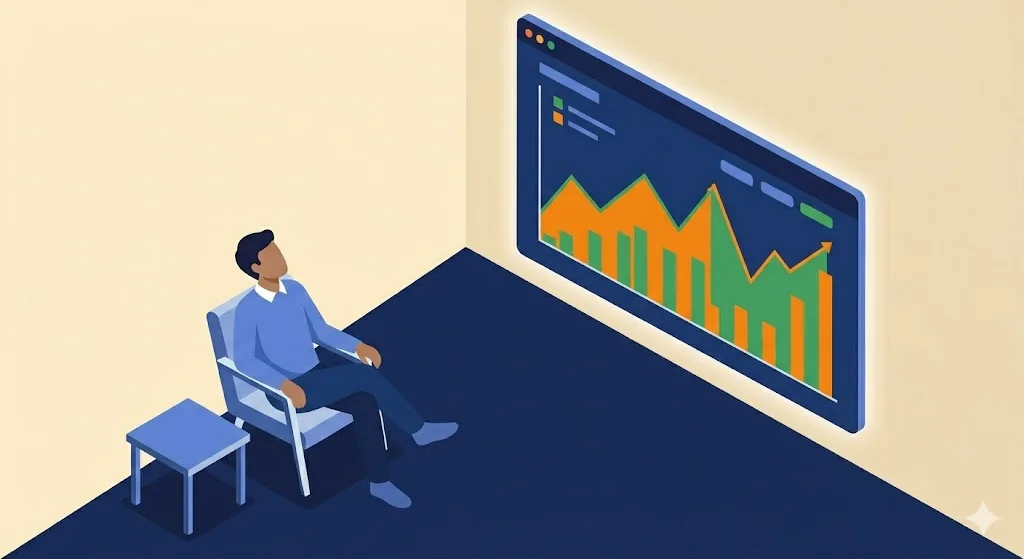
Live dashboards and a clear, open data model put your information back within reach, with answers on screen when you need them rather than locked behind an export request and a three-day wait.
One team, on the hook
The people who build the platform also run it, so there are no hand-offs or finger-pointing: one team is accountable end to end when you need something changed.
Move without the rip-and-replace
Leaving a legacy system shouldn't be a leap of faith. Use our extraction and reconciliation tools to move your data and history yourself, or add hands-on help to run the cutover with you.
That's the partner we set out to be: the one that makes your software cost less, do more, and finally get out of your way.
Let's talk about your stackReplacing a legacy system, or building something new?
Whether you're replacing a system your institution has outgrown or building something the market doesn't sell yet, we'd like to hear about it.